Modular architecture has gained significant attention in recent years due to its flexibility, efficiency, and adaptability. As the demand for sustainable and efficient building solutions grows, architects and developers are embracing new trends that push the boundaries of what modular construction can achieve. Let’s explore some of the latest trends in modular architecture and their benefits.
Latest Trends in Modular Architecture and What Are Their Benefits
Sustainable Building Practices
Sustainability continues to be a key focus in modular architecture. Many modern modular buildings are now designed using environmentally friendly materials such as recycled steel, bamboo, and other renewable resources. Additionally, energy-efficient features like solar panels, green roofs, and advanced insulation systems are being integrated into modular designs. These elements help reduce the environmental impact of construction while lowering long-term energy costs for residents or businesses. For example, firms like estudio arquitectura Valencia are incorporating sustainable practices into their modular designs to align with modern environmental standards.
Customization and Prefabrication
While modular architecture is rooted in the concept of pre-made components, recent advancements allow for greater customization in design. Builders can now offer a wide range of options in layouts, finishes, and materials, making modular construction more appealing to diverse client needs. Prefabricated components are manufactured off-site in controlled environments, improving quality and reducing waste. This approach also speeds up construction timelines significantly, making it ideal for both residential and commercial projects.
Integration of Smart Technology
Another prominent trend in modular architecture is the integration of smart technology. Many modular homes and buildings are being equipped with automated systems that control lighting, temperature, security, and energy use. These smart features not only add convenience but also improve energy efficiency. For example, motion-activated lighting and smart thermostats can adapt to the occupants’ habits, reducing unnecessary energy consumption. This blend of technology and modular design offers an efficient and futuristic living or working space.
Hybrid Modular Construction
Hybrid modular construction combines traditional building methods with modular techniques to achieve a balance of flexibility and efficiency. In this approach, certain sections of a building—like structural frameworks—are constructed on-site, while other elements, such as walls or rooms, are prefabricated and transported to the site. This method is particularly useful for large-scale projects that require both precision and scalability. Architects and developers using hybrid approaches can adapt designs to meet specific site conditions while still benefiting from the efficiency of modular components.
Modular Architecture in Healthcare
The healthcare sector has been one of the biggest adopters of modular architecture in recent years. From pop-up testing centers to fully functional hospitals, modular designs are helping healthcare providers respond to urgent needs quickly. Modular healthcare facilities can be constructed in weeks instead of months, providing much-needed infrastructure in record time. Additionally, the use of modular units in healthcare allows for easy expansion or reconfiguration as requirements evolve.
Improved Aesthetics in Modular Design
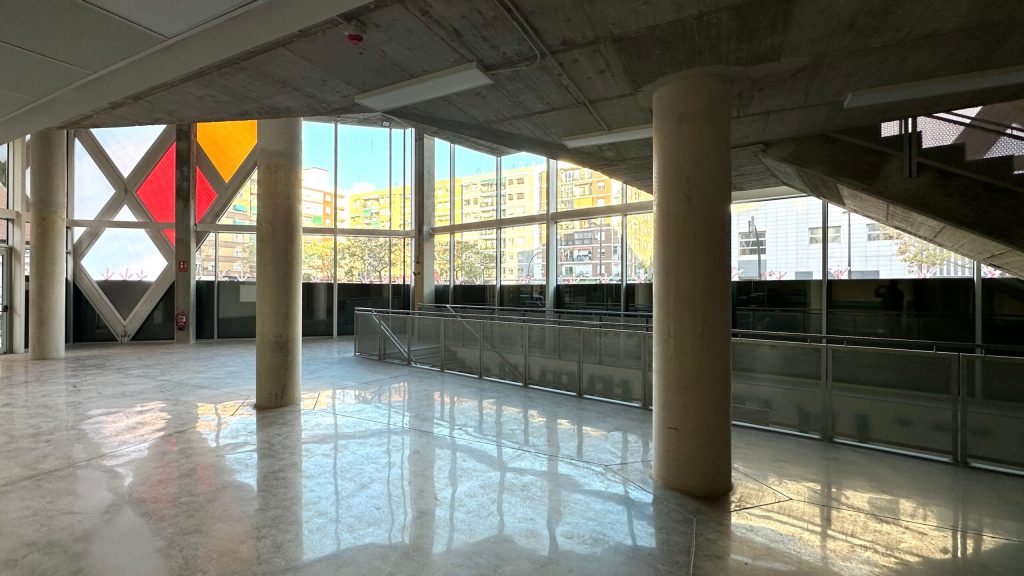
Gone are the days when modular buildings were considered plain or uninspired. Today’s modular designs incorporate modern aesthetics, using innovative shapes, textures, and materials to create visually appealing structures. Architects are blending form and function by combining sleek designs with practical features. The result is modular buildings that look just as attractive as their traditionally constructed counterparts, if not more so.
Conclusion
Modular architecture continues to evolve, bringing innovative solutions to modern construction challenges. Trends like sustainability, smart technology, and vertical expansion demonstrate the versatility and potential of modular designs. Whether for residential, commercial, or healthcare projects, modular construction offers a practical and forward-thinking approach to building for the future.
 Bizcontent
Leave a comment